TEACHING & MENTORING

Teaching, mentoring, and advising through dialogue and critical inquiry to address real-world problems
I teach and mentor undergraduates, graduates, and professionals at Cornell and beyond with the goal of helping students think critically, engage constructively, and apply communication theory to consequential real-world problems. My approach is grounded in the view that learning, like communication, is a multiway process. Students bring perspectives, experiences, and questions that actively shape the learning experience. Across my teaching, I design opportunities for dialogue, analytical reflection, collaboration, and the application of ideas to contemporary challenges.
PROFESSIONAL EDUCATION
Strategic Risk Communication
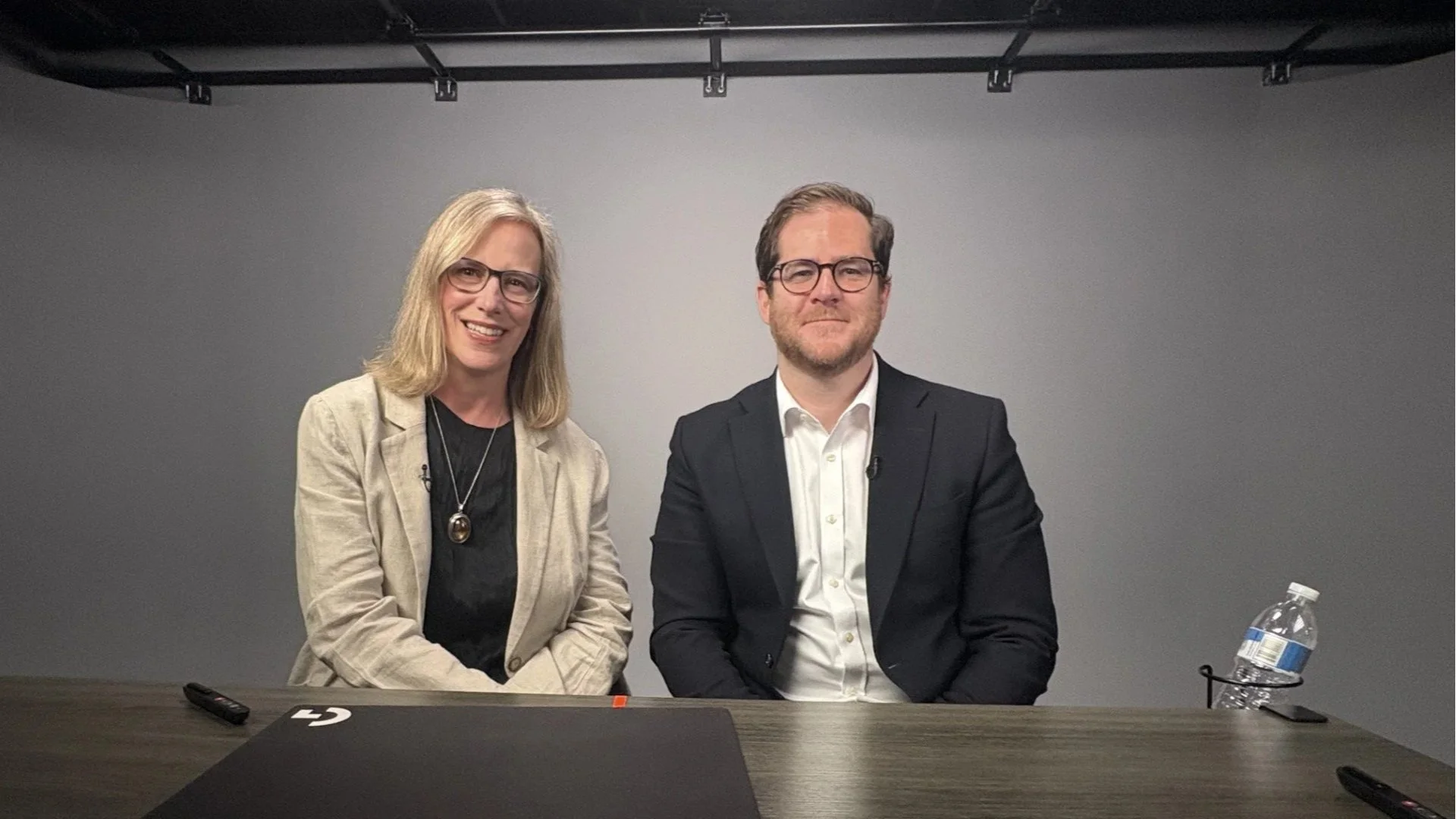
Designed for professionals communicating about complex, contested, and uncertain risks—from public health, food and consumer safety, and environmental hazards to cybersecurity, misinformation, and emerging technologies—this four-course certificate translates risk communication research into practical, evidence-informed approaches.
Students learn to define communication goals, understand and engage different audiences, design and refine audience-informed messages, evaluate communication effectiveness, and adapt strategies as risks and communication environments evolve.
eCornell • Launching September 2026
Developed and taught with Professor Katherine McComas
Cornell Courses
UNDERGRADUATE • COMM 4860
Risk Communication
How do people understand risk? Why do risks become contested? How do trust, culture, emotion, institutions, and communication ecosystems shape responses? And what makes risk communication strategic and ethical?
Risk perception • Audience engagement • Trust • Communication strategy
UNDERGRADUATE • COMM 2850/ STS 2851
Communication, Environment, Science, and Health
How does communication shape the ways people encounter and respond to science, environmental, and health issues? This interdisciplinary course examines communication processes, audiences, messages, meanings, and communication ethics across contemporary cases and controversies.
Science communication • Environmental Communication • Health Communication
GRADUATE • COMM 6860
Risk Communication
An advanced seminar examining major theories and research traditions in risk communication, with an emphasis on critically evaluating scholarship, connecting perspectives across disciplines, and applying theory to contemporary risk problems
Advanced theory • Critical analysis • Risk interpretations • Public engagement
Teaching Philosophy
Learning is a multiway process
My teaching philosophy begins from the idea that learning is not a one-way transfer of knowledge. I approach the classroom as a space for open dialogue, collaborative learning, and critical engagement, with the aim of helping students contribute their own perspectives, experiences, and values to a shared process of inquiry. I want students not only to understand theories and evidence, but also to question them, connect them across disciplines, and use them to make sense of contemporary communication problems.
To support this, I combine clear conceptual explanation with discussion, case analysis, interactive exercises, and problem-based learning. My courses regularly ask students to grapple with real-world controversies, work through different stakeholder perspectives, and apply ideas to science, environment, health, and risk communication. I also see teaching as iterative and reflective. I learn from students, adapt to emerging challenges, and continually refine my courses to create an engaging and supportive learning environment.
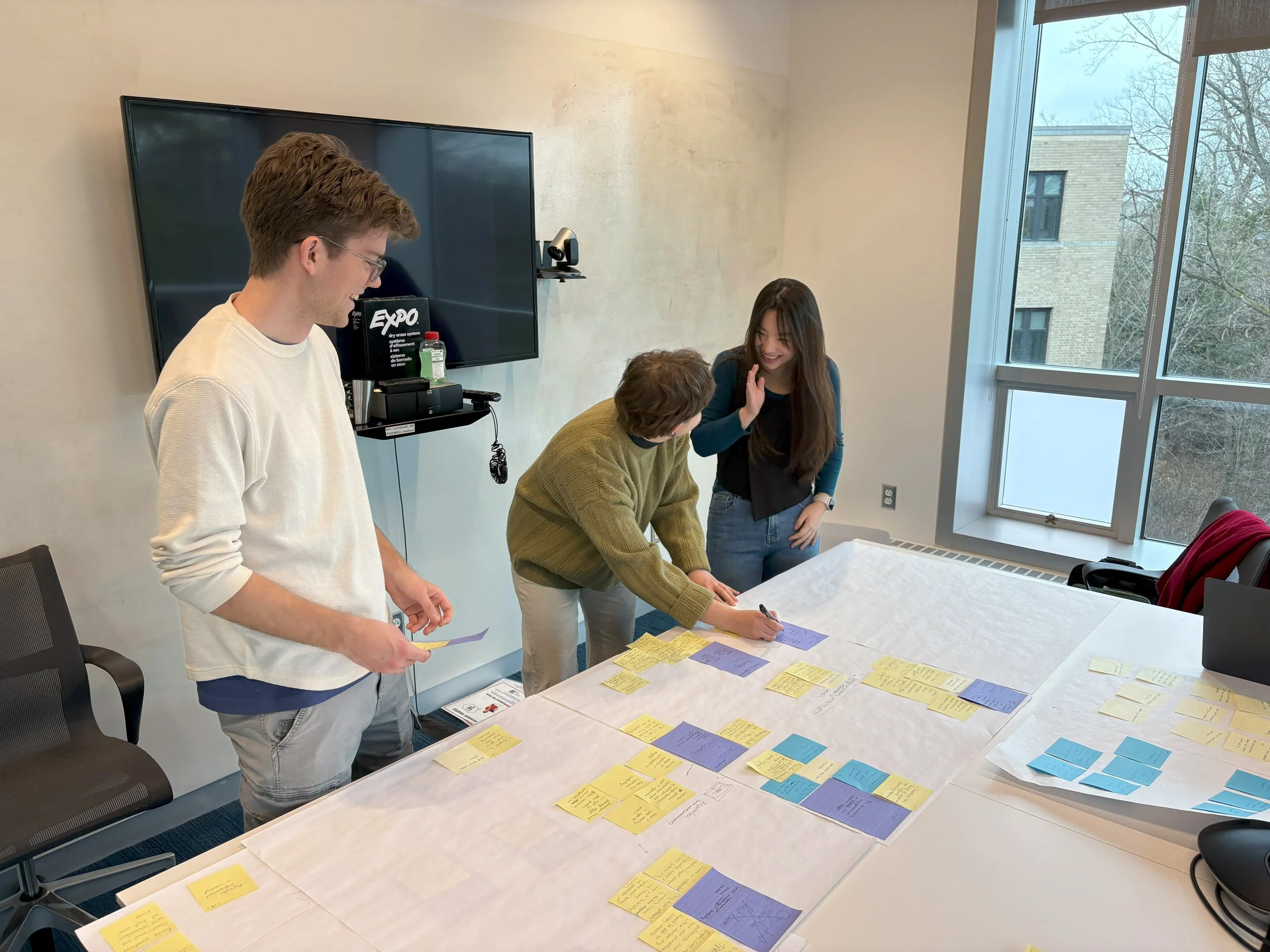
Students collaboratively coding qualitative data during a weekly lab meeting
Advising & Mentoring
Teaching extends beyond the classroom
I see advising and mentoring as central to teaching. I work with students at different stages of their academic development, helping them clarify interests, strengthen research skills, and connect their scholarship to public and professional problems.
Undergraduate advising
I advise undergraduate students on course choices & semester planning, intellectual development, and opportunities to connect communication scholarship to the issue and careers they care about.
Graduate mentoring
I mentor graduate researchers through the Advancing Risk Communication Hub (ARCH) at Cornell and the Balog-Way ARCH Lab. This includes supporting theoretically ambitious and applied research, providing feedback on manuscripts and presentations, connecting students with wider scholarly networks, and helping them develop as researchers, collaborators, and professionals.